
The activated carbon series is a porous carbonaceous adsorbent material made from raw materials such as coal, wood, and fruit shells through carbonization and activation. It possesses a developed pore structure and a large specific surface area, enabling the adsorption of gas or liquid pollutants through physical adsorption (van der Waals forces) and chemical adsorption (chemical bonds). Based on raw materials, it can be divided into four categories: coal-based, wood-based, fruit shell-based, and synthetic activated carbon. Among them, coal-based activated carbon, due to its wide range of raw materials and low cost, has seen an increasing proportion in industrial applications year by year. The production process includes traditional carbonization and activation processes as well as new pyrolysis self-activation technology, which optimizes the microporous structure through the regulation of biomass pyrolysis gas components, ensuring a green and pollution-free production process.
This material is widely used in various fields such as water treatment (40%), air purification (30%), and pharmaceutical and food industries (20%). Coconut shell activated carbon, with a micropore volume accounting for 89.13%, is suitable for deep purification, while wooden activated carbon, with a specific surface area of 951.81 m²/g, is used in composite adsorption scenarios. Coal-based activated carbon dominates the market due to its physicochemical indicators such as an iodine value of ≥1000 mg/g and a strength of ≥90%. Coconut shell silver-loaded activated carbon possesses antibacterial function through surface modification [1-3]. China has achieved import substitution for high-end products such as activated carbon catalysts by developing external-heated positive pressure continuous activation equipment.
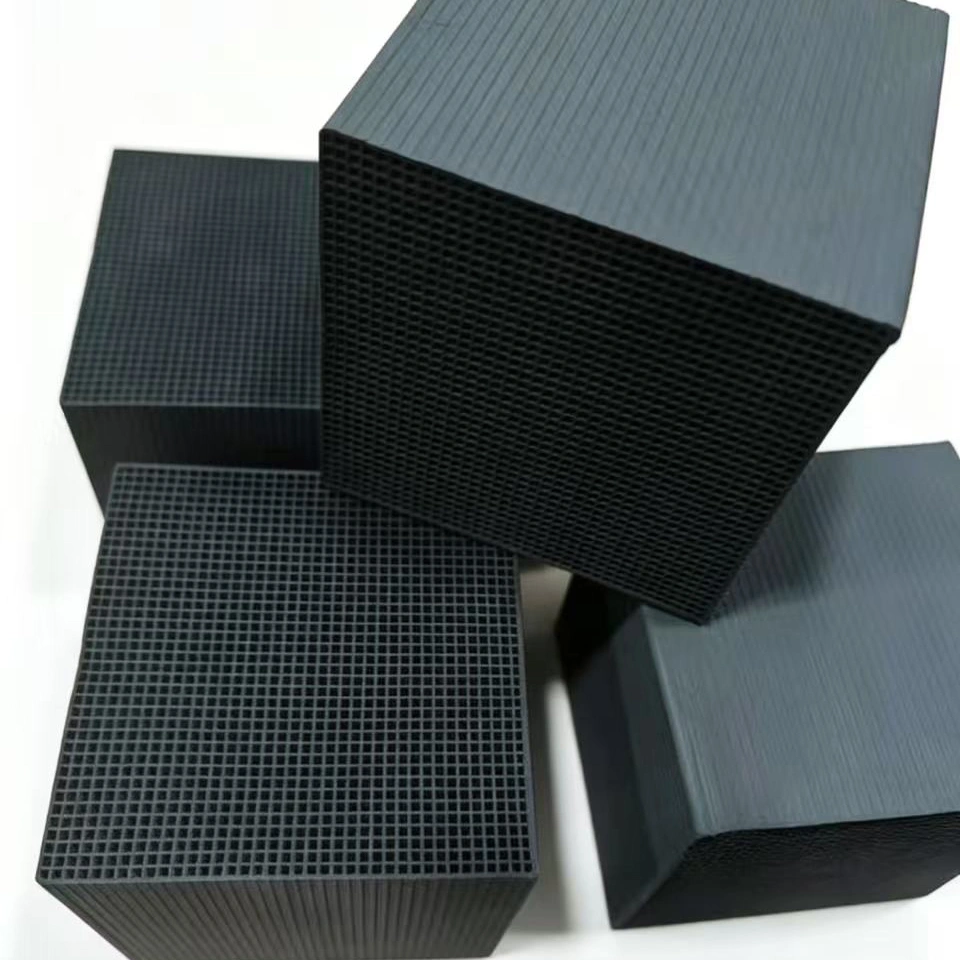
Honeycomb activated carbon
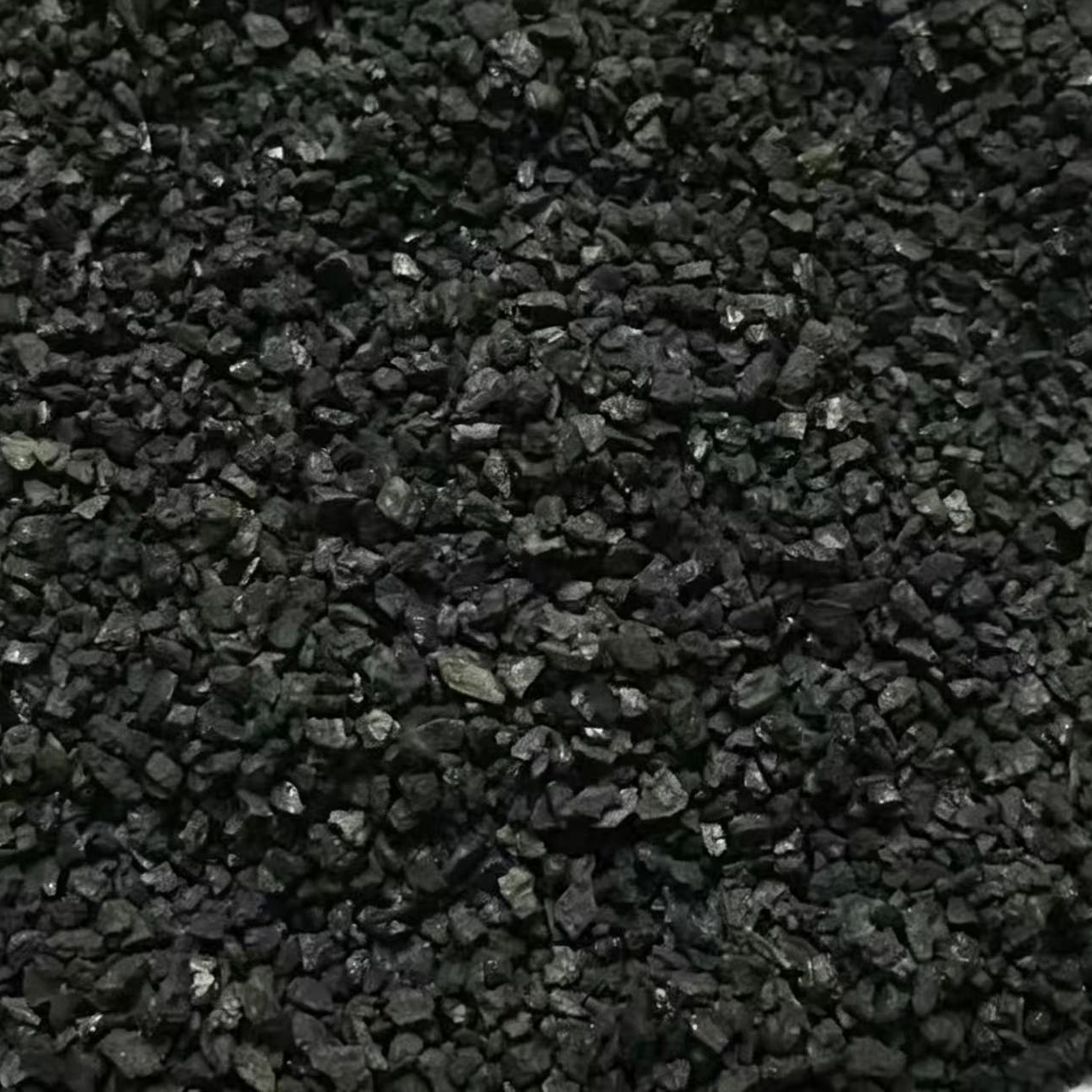
Coal-based activated carbon
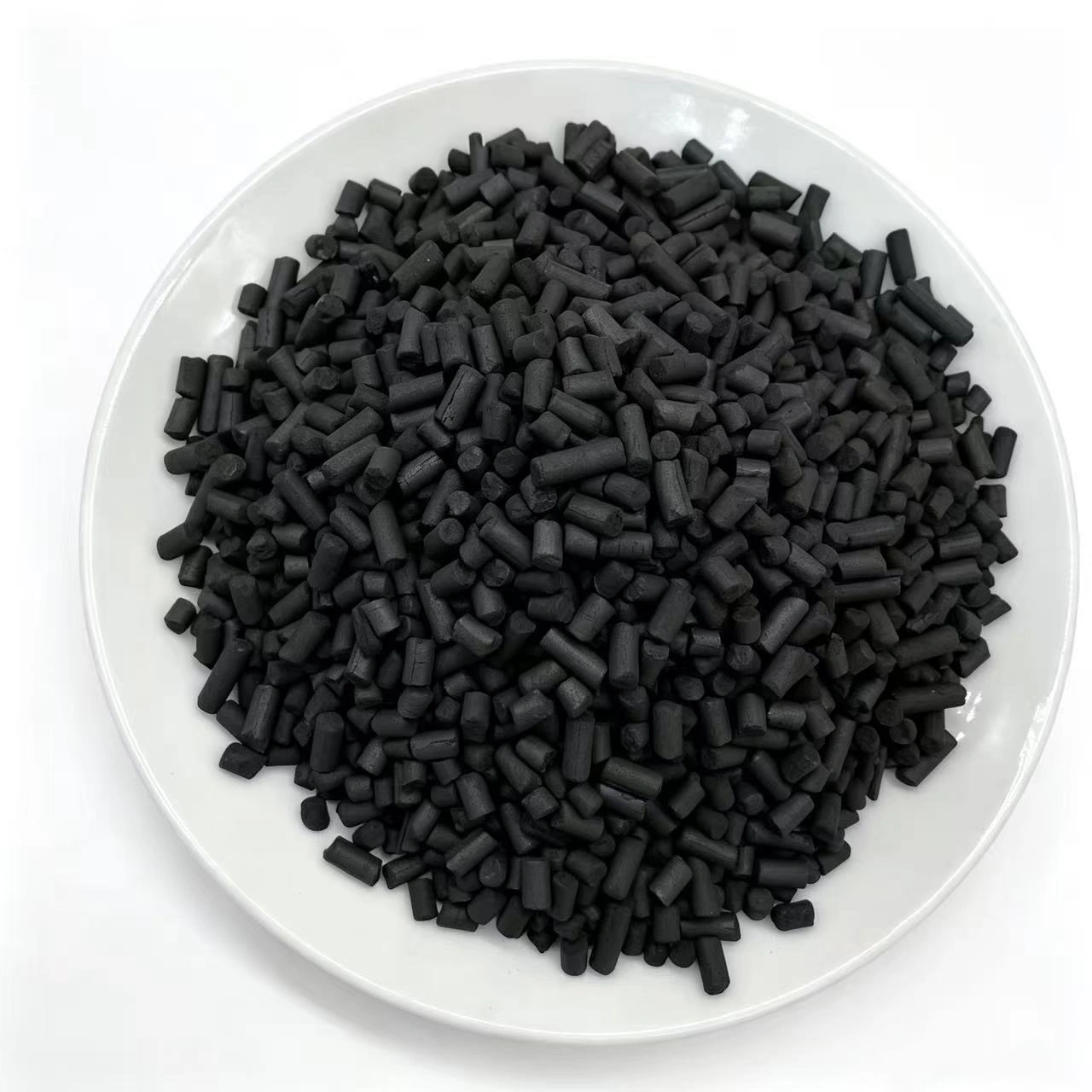
Columnar Activated Carbon
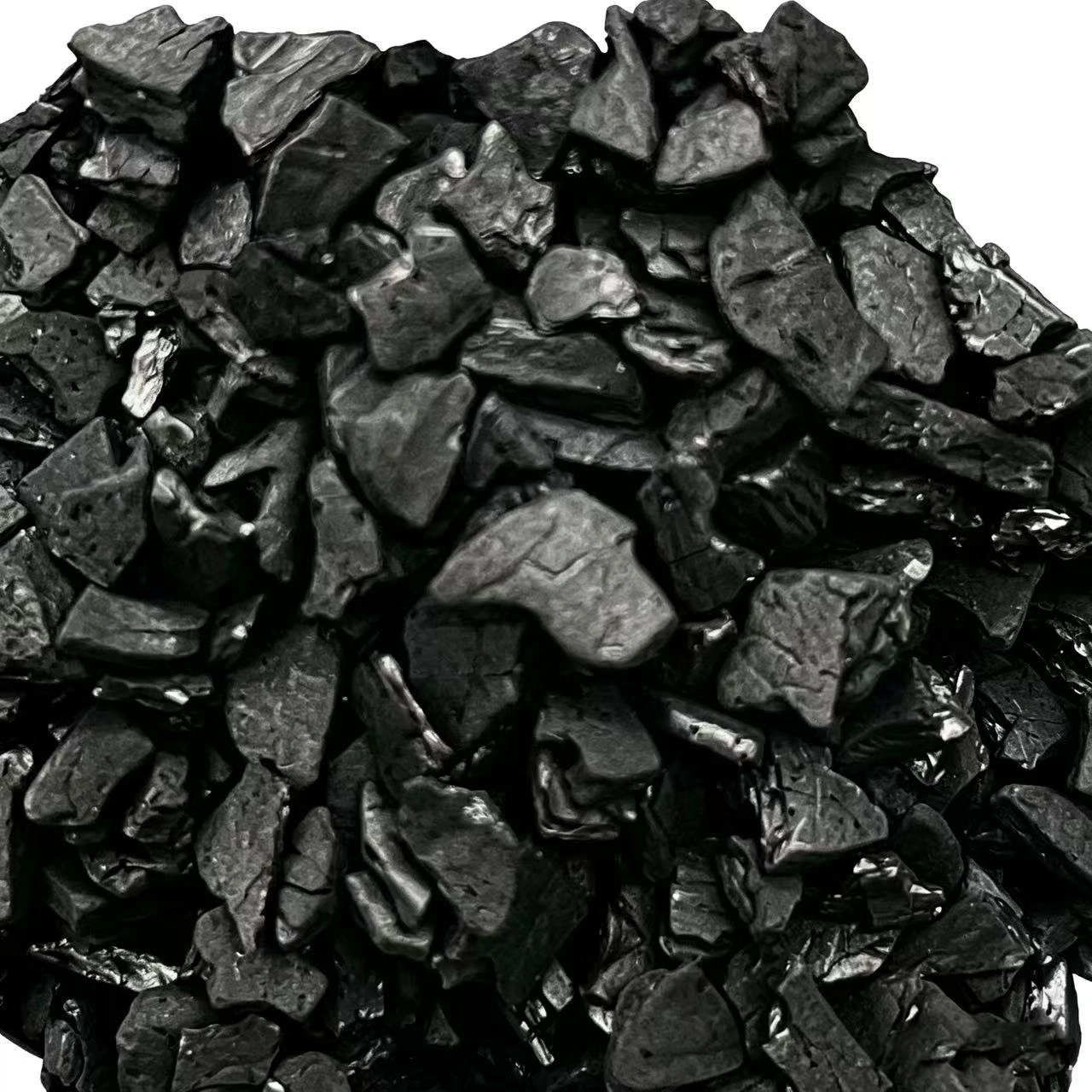
Coconut shell activated carbon
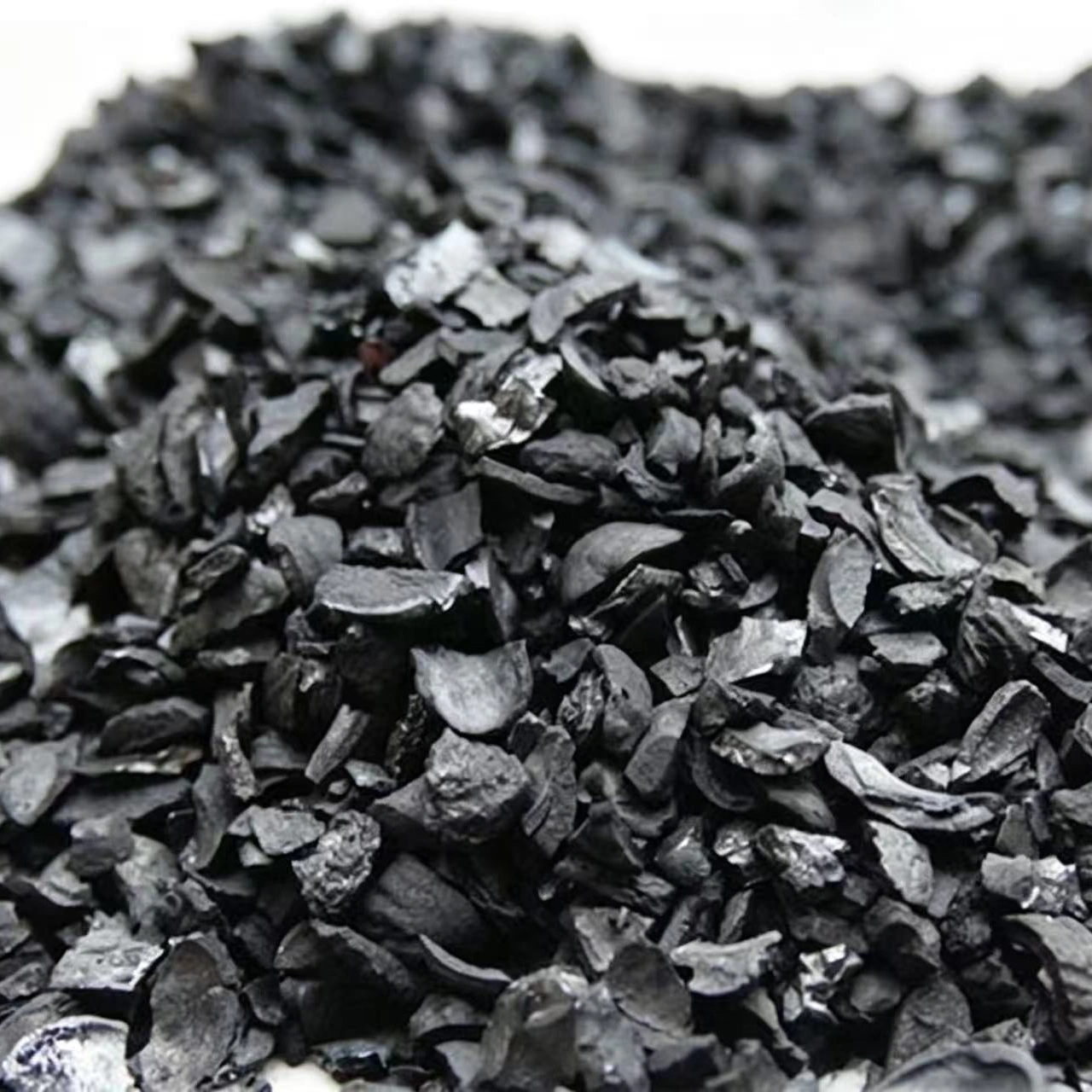
Fruit shell activated carbon
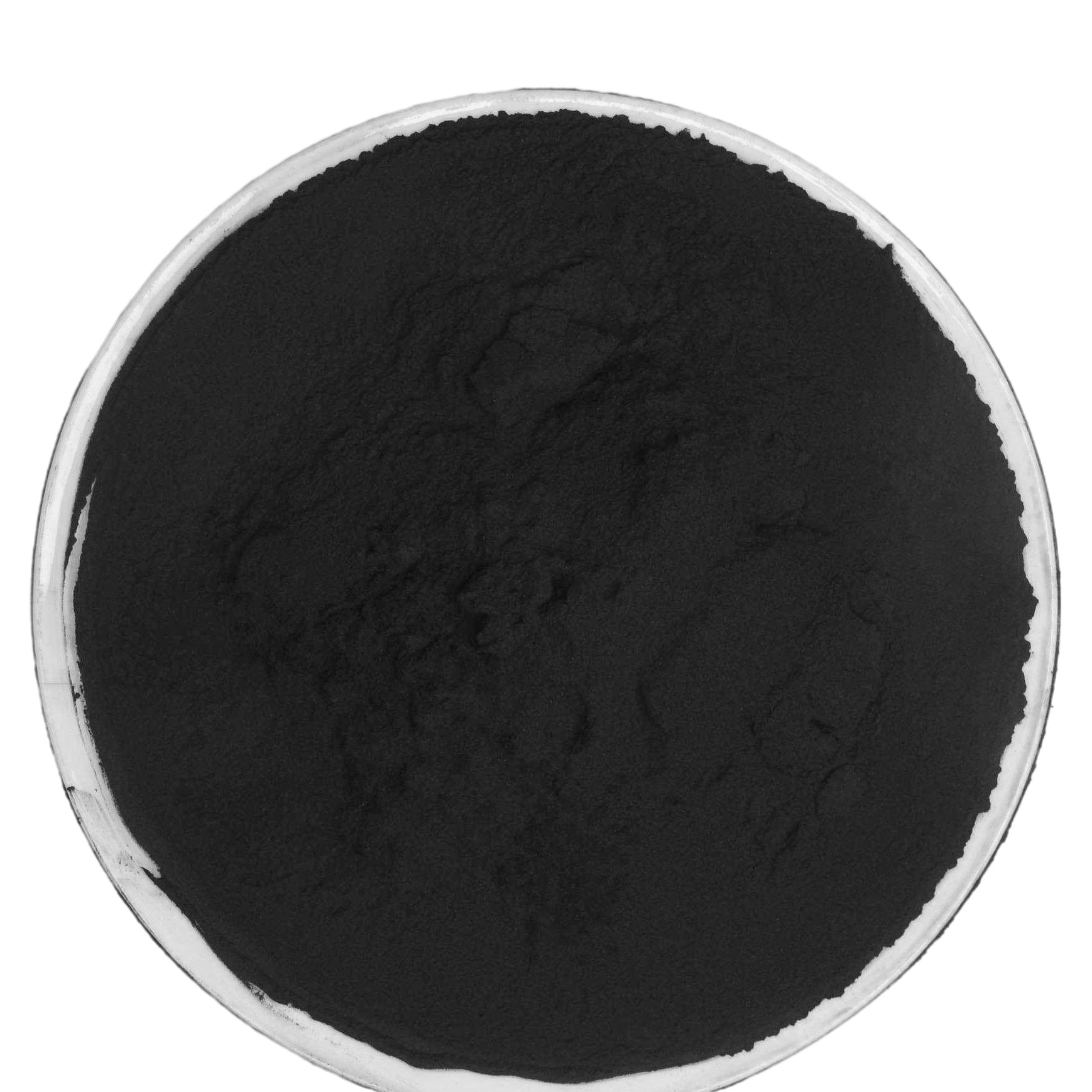
Powdered activated carbon

Engineering Case
inquiry
If you wish to submit a formal inquiry, please complete the following form.
Note: Fields marked with * are required.